Sheldon.studio srl
Via dei Portici, 70
39100 - Bozen-Bolzano, IT
PI 03061940213
How do you design a digital museum experience that works for everyone? Finding an artwork, understanding what you are looking at or simply knowing where you are can become very different experiences depending on who is visiting. During our research, we discovered that accessibility needs can even conflict. Some visually impaired people preferred detailed descriptions, while other participants found the same amount of information overwhelming.
So we started with a different question: can an interface adapt to people, rather than asking people to adapt to the interface?
Together with MAXXI, Isagog and Ecosistemica, we developed the Maxxi Intelligenza Artificiale (MIA): a digital experience designed to make museum content and spaces more accessible.
Instead of asking visitors to identify through disability categories, the interface lets them configure how they prefer to interact. These preferences become part of the system context. From there, visitors can talk with the museum through a conversational AI.
The result is a hybrid interaction: system-driven during configuration, user-driven during conversation.
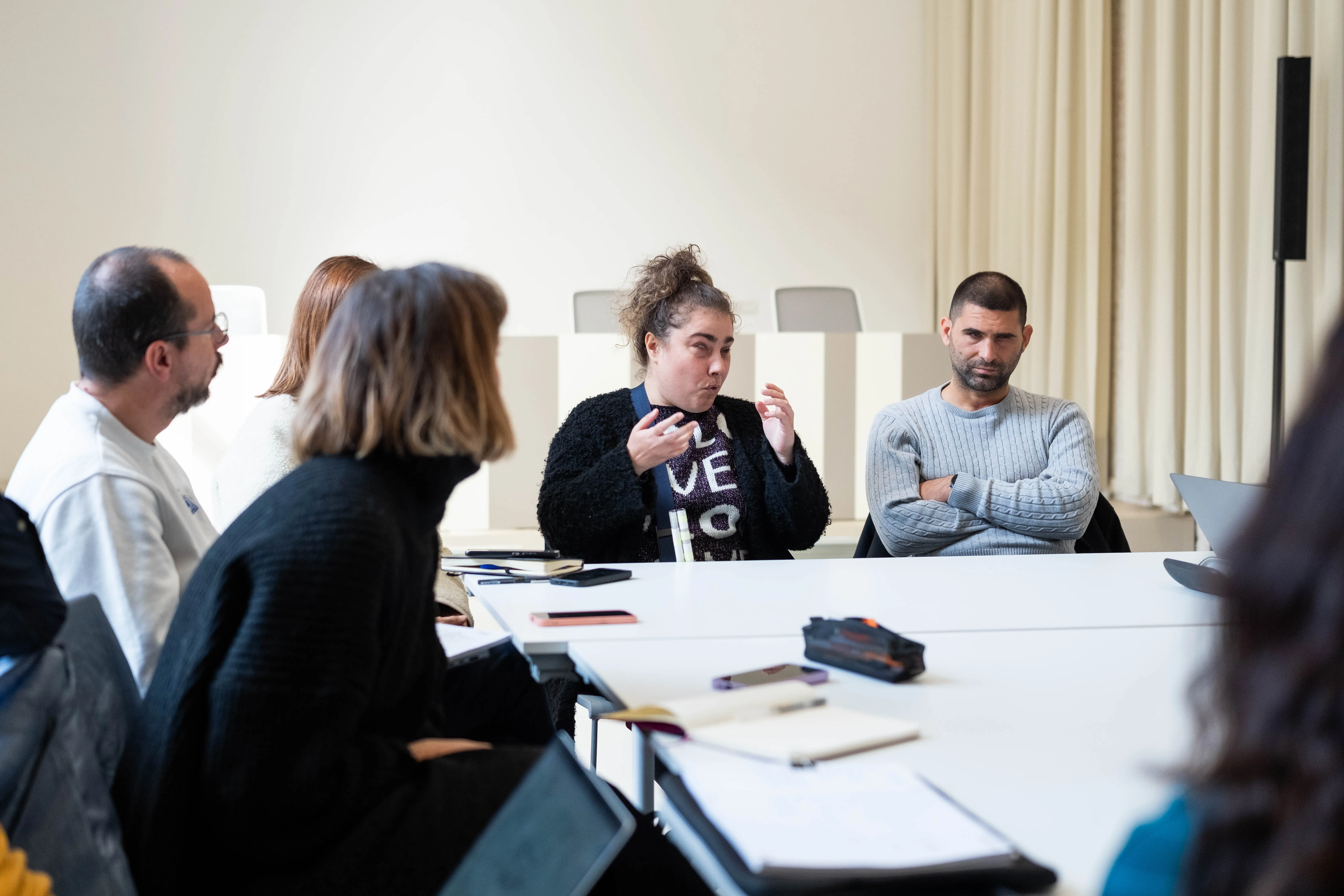
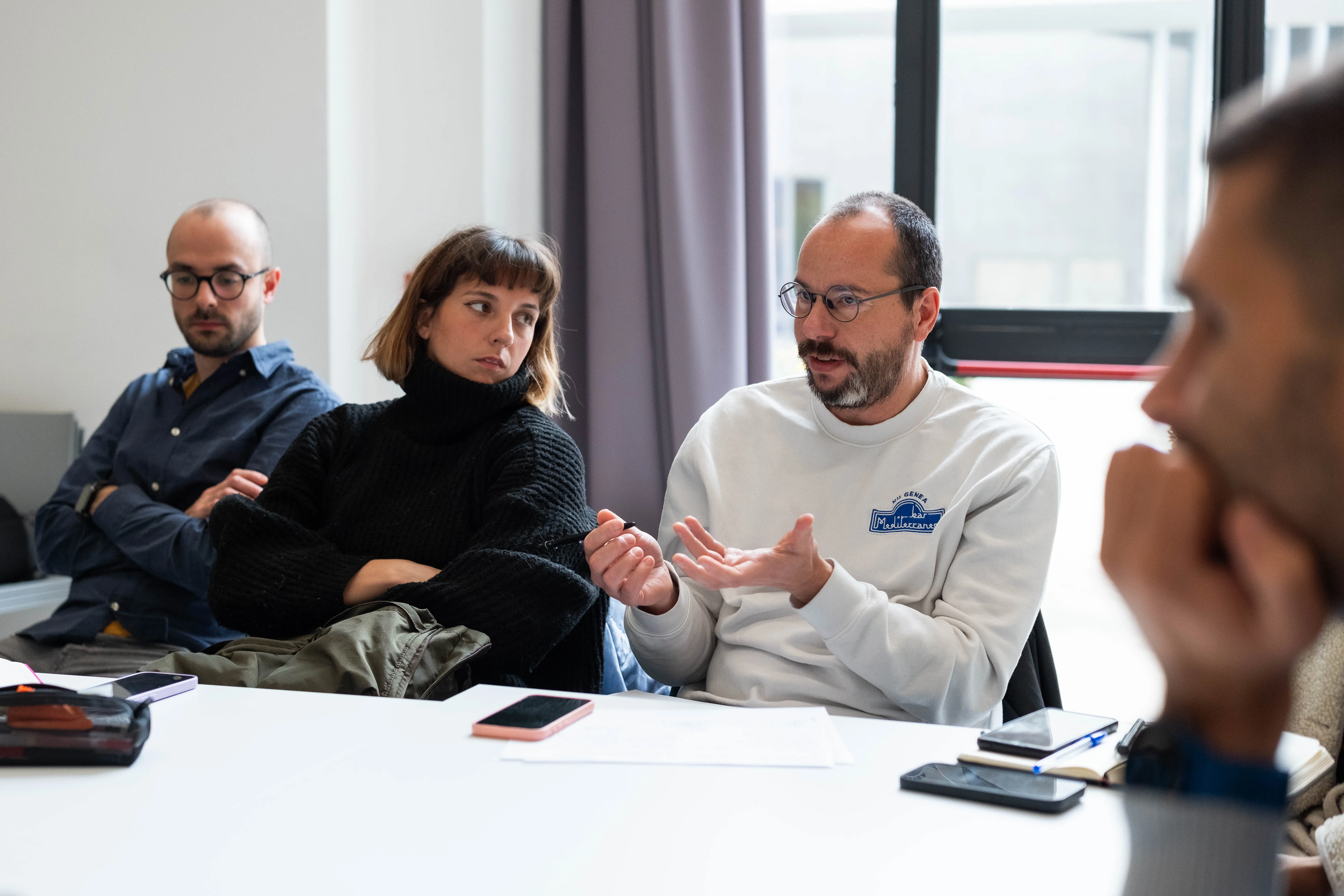
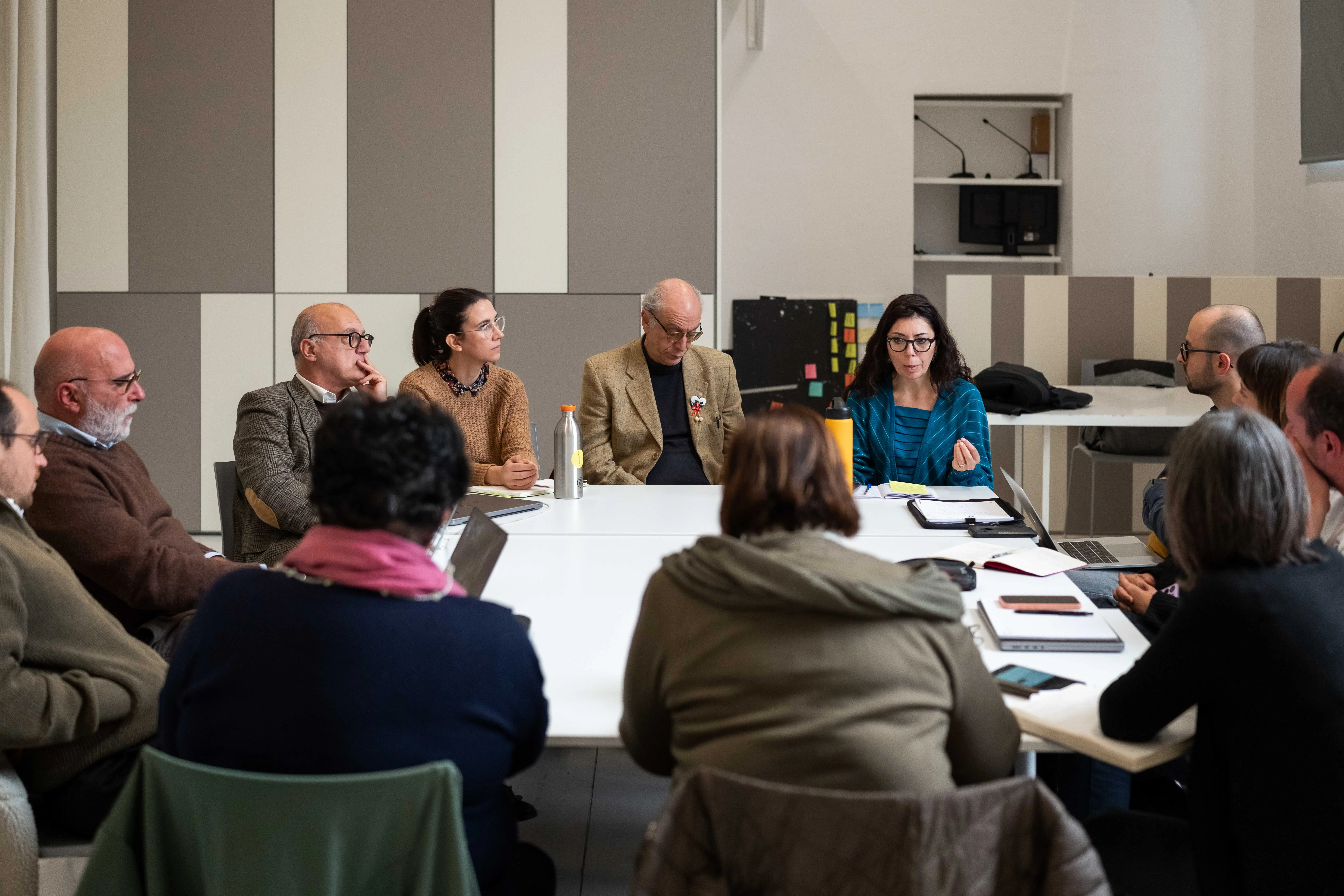
We used co-design to explore what the experience could, couldn't and should do. User stories became conversation starters between designers, developers, museum staff, accessibility experts and people with different disabilities. Those conversations shaped the first prototype and then an MVP, which we tested with people with visual, hearing and cognitive disabilities.
Each usability session uncovered new contradictions. Each contradiction became another design iteration.
Testing progressively transformed the interface. Ambiguous Yes/No choices became explicit options. "Help" became SOS. Conversation history was redesigned to balance cognitive load with the possibility of retrieving previous information.
AI introduced new challenges too. Waiting for an answer can itself become an accessibility issue. We therefore explored textual feedback, audio cues and screen-reader focus management to make the system status understandable throughout the conversation.
Accessibility became part of the interaction logic itself.
Accessible content is only part of the experience. Visitors still need to understand where they are and how to reach their destination. We developed a testing app and experimented with Bluetooth beacons to map signal strength throughout MAXXI.
MAXXinteract highlighted a simple tension: there is no single accessible experience. What provides useful context to one visitor can become noise for another. Universal design therefore doesn't necessarily mean making the same interface for everyone. It can also mean designing a system capable of listening, adapting and giving people control over how they experience the museum.
Follow us on
Instagram
LinkedIn
Spotify
Medium